
With small amounts — relaxation and even creative inspiration are experienced by some individuals. Although both cannabinoids are derived from the cannabis plant — their effects and properties differ significantly. This guide will assist you in understanding everything (whether you are evaluating the effects of CBD versus THC), considering THC for chronic pain, or exploring the combination of both THC and CBD. Notably (using CBD and THC together is most effective), particularly when paired with other naturally occurring cannabinoids, terpenes, and flavonoids in cannabis.
Mean and standard deviation analysis was performed for each state and for distinct medical and recreational program comparisons. Patients seeking therapeutic benefits from herbal cannabis products are therefore at a substantial risk of THC vape pen market overview unwanted side effects, regardless of whether they obtain products from medical or recreational programs. In conclusion — the cannabis plant is a complex species that contains over 100 different compounds known as cannabinoids. To summarize (the two primary compounds of interest in the cannabis plant), CBD and THC, provide distinct yet synergistic health benefits.
For many users, finding the right combination of CBD and THC can take time and a little experimentation; that’s because “whole plant” science is still in the early phases of research. In some cases, when THC and CBD are used together, an individual may feel more relief than using them on their own. While THC and CBD can be extracted from cannabis plants independently of one another, they may not be effective as standalone products for each individual’s needs. Keep in mind that the benefits of THC aren’t without their drawbacks and risks, as you’ll learn in the section on side effects. THC induces autophagy-mediated cell death through stimulation of ER stress in human glioma cells. THC can help ease symptoms of neurological conditions such as Multiple Sclerosis (MS) (Tourettes), and more.
The Brief Response: A 30-Second Comparison of CBD and THC
At moderate doses (5-15mg), THC typically produces euphoria, relaxation, enhanced sensory perception, increased sociability, and a general sense of well-being. This means it can reduce THC’s psychoactive effects — less anxiety (less paranoia), less impairment — while preserving or even enhancing THC’s therapeutic benefits. This is why you have to smoke (vaporize), or bake cannabis to feel its effects. By accessing this website you agree that you are a minimum of 21 years of age. Recreationally — THC enhances creativity and sensory experiences, but higher doses risk paranoia, especially for novices.
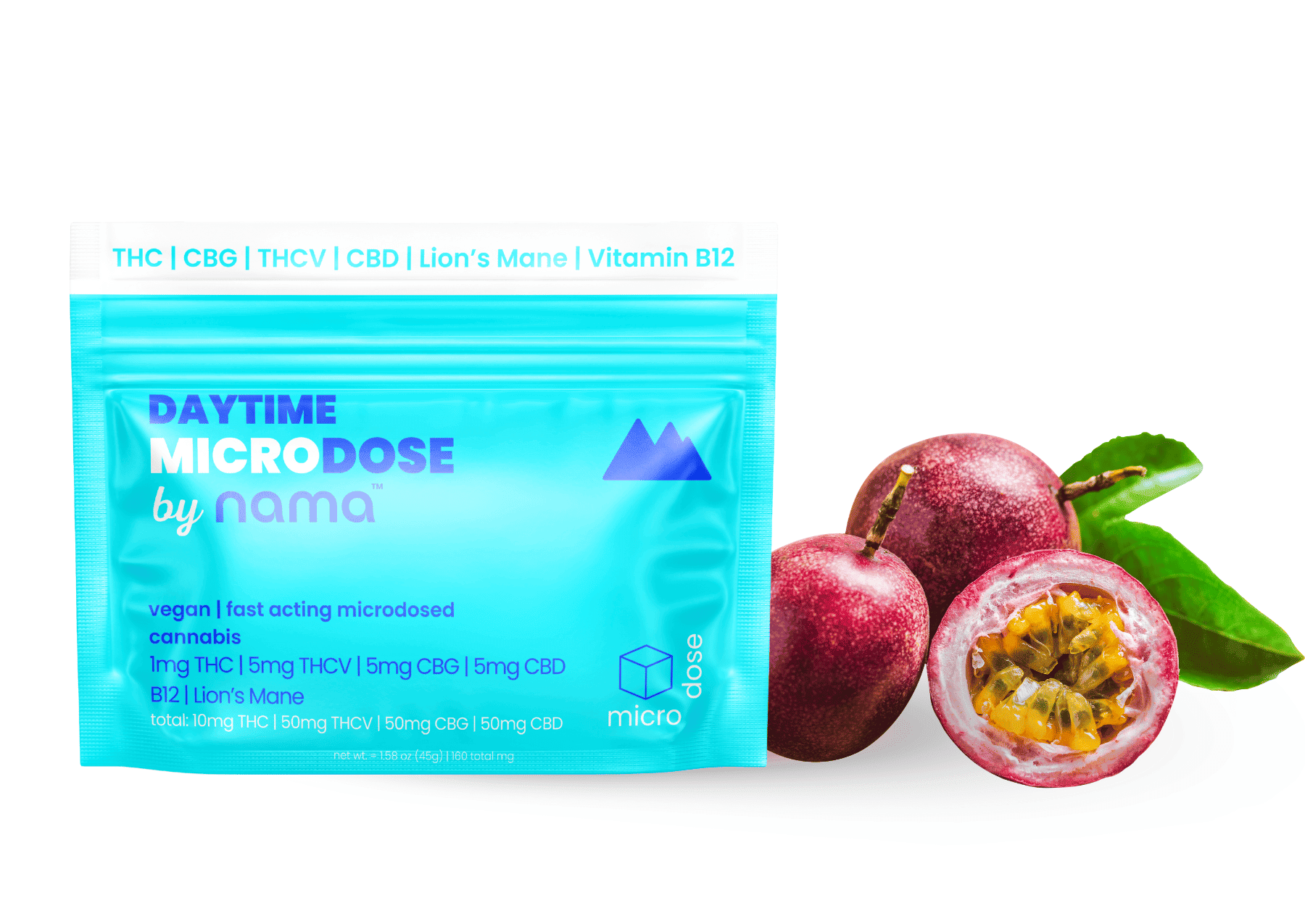
There is much less research into the therapeutic benefits of CBG compared with CBD. The review concluded that the compound has a promising role as a treatment to help people manage anxiety disorders. One 2020 review analyzed several studies on the use of CBD to treat anxiety disorders. A 2019 study concluded that the substance significantly reduced anxiety symptoms in mice.
Legal Status
THC and CBD are two of the most plentiful and medicinal chemicals in the cannabis plant, which actually contains over 500 currently identified chemicals. These very small amounts of THC will not leave you feeling “high” or intoxicated, but will work with CBD and other cannabinoid compounds in the product to have greater beneficial effects. This THC drawback explains why CBD is gaining popularity among consumers who are looking to take advantage of the properties of cannabis, without feeling high for it.
A combination of a small amount of THC and a higher dose of CBD creates an ideal equilibrium for some, allowing them to feel better while remaining clear-headed. The combination of THC and CBD often proves most beneficial for recovery — whether from a workout, a long day, or persistent stress. For maintaining clarity and productivity throughout the day, CBD is generally the preferable option. Individuals with social anxiety may find CBD to be a more suitable choice — as it can alleviate tension without hindering mental sharpness or producing psychoactive effects.

Legal Status and Access Regulations
The global regulation of THC operates within a complex system of international treaties and conventions that shape national policies worldwide. For both consumers and manufacturers — navigating this space is vital – it ensures adherence to various state medical cannabis laws while optimizing access to cbd products’ therapeutic potential. Grasping these complexities is crucial for those contemplating engagement with cannabis-related items. By controlling vomiting and nausea linked with oncological therapies, it becomes a pivotal element in medical cannabis treatments designed to aid patients facing such distressing effects. Due to interactions with the central nervous system (CNS) (CBD shows promise in improving memory function as well as motor skills), which may benefit individuals dealing with neurological disorders.
But you can also find physicians who specialize in providing access to medical cannabis. The person providing certification is usually a physician , M.D. or D.O.,, who confirms that you have a qualifying condition—a health problem with symptoms that could, hypothetically, be alleviated by cannabis. Many of these provide access to only low-THC — high-CBD cannabis preparations— for example, to treat seizures. Comprehensive programs provide patients with legal protections (practical access to a variety of cannabis preparations), a variety of ways to administer cannabis products, and ongoing, public access to the program. Whether you can access medical cannabis depends on what state you live in.